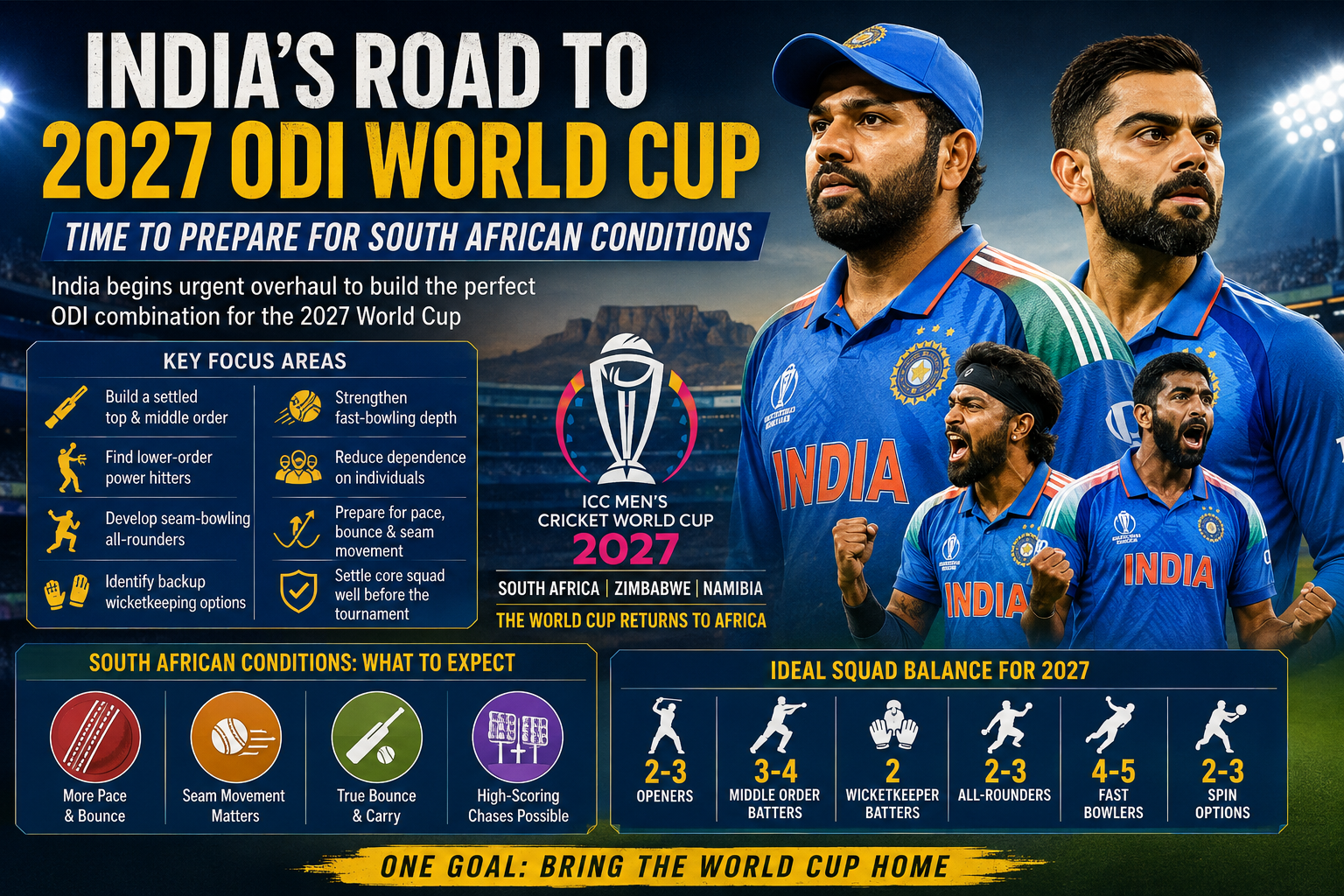
India's preparations for the ICC Men's Cricket World Cup 2027 are entering a crucial phase, with the team management looking to build a settled ODI combination capable of succeeding in the pace-friendly conditions of South Africa.
With roughly a year remaining before the tournament, India's first-choice XI is beginning to take shape. However, questions remain around Hardik Pandya's fitness, the balance of the lower middle order, backup options and the composition of the pace attack.
The latest setback for Hardik has made those questions even more important. The all-rounder has been ruled out of India A's three-match one-day series against Australia A in Puducherry after suffering a fresh shin injury.
Hardik's absence matters because few players in Indian cricket can provide his combination of middle-order power-hitting and seam bowling. In South African conditions, where India could regularly need three or even four pace options, his availability could fundamentally change the balance of the playing XI.
India's Probable Playing XI for the 2027 World Cup
If India's leading players remain fit and available, a probable first-choice ODI combination currently looks like this:
- Rohit Sharma
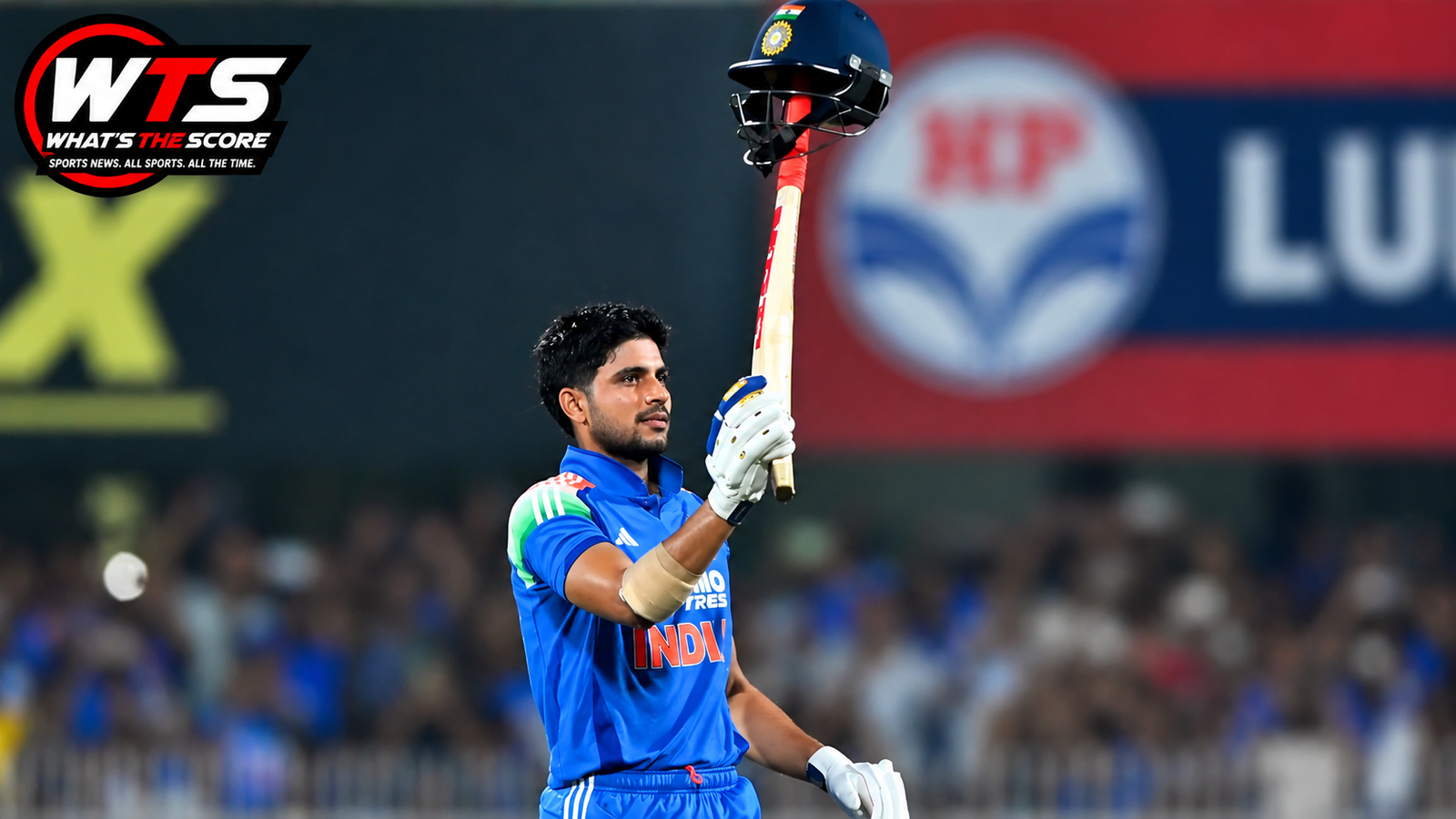
- Shubman Gill (Captain)
- Virat Kohli
- Shreyas Iyer
- KL Rahul (Wicketkeeper)
- Hardik Pandya
- Axar Patel
- Harshit Rana
- Jasprit Bumrah
- Kuldeep Yadav
- Mohammed Siraj
This is not an officially confirmed World Cup XI. It represents a probable combination based on India's current ODI hierarchy, recent selections and the balance likely to be required in southern Africa.
Why Hardik Pandya Is So Important to India's World Cup Balance
Hardik remains one of the most difficult players in India's ODI setup to replace like-for-like.
At his best, he gives India a genuine top-seven batter who can also operate as a seam bowler. That allows the team to play an additional specialist bowler without sacrificing batting depth.
Gautam Gambhir has publicly highlighted this value, noting that very few international teams possess a player capable of contributing significant runs from No. 6 or No. 7 while also potentially bowling a substantial number of overs.
That role becomes particularly valuable at the 2027 World Cup because South African pitches could demand a more seam-heavy attack than the combinations India frequently use on subcontinental surfaces.
Hardik Ruled Out of Australia A One-Day Series
Hardik had initially been selected for India A's three one-day matches against Australia A in Puducherry, subject to fitness clearance.
The matches were scheduled for October 6, 9 and 11 and were viewed as an important opportunity for him to regain competitive 50-over rhythm.
However, a fresh shin injury has ruled him out of the series.
The setback is significant because Hardik has already experienced an interrupted 2026. A quadriceps problem prevented him from returning during India's ODI series against Afghanistan, and he also missed the recent West Indies ODI series while working towards full fitness.
Suryansh Shedge Replaces Hardik for India A
Mumbai all-rounder Suryansh Shedge has been drafted into the India A squad as Hardik's replacement for the Australia A one-day series.
The selection gives India another opportunity to assess a younger seam-bowling all-round option as the selectors attempt to increase their depth ahead of the World Cup.
Shedge should not automatically be considered Hardik's direct World Cup backup, but his selection highlights India's need to develop alternatives for a role that has historically been difficult to fill.
What Happens If Hardik Is Unavailable for the World Cup?
This may be one of the most important selection questions India need to answer over the next year.
If Hardik is unavailable, simply replacing him with another batter could leave India short of seam-bowling options. Replacing him with a specialist bowler, meanwhile, could weaken the batting depth.
India therefore need multiple contingency plans rather than depending on a single like-for-like replacement.
Nitish Kumar Reddy is one player who can be explored as a seam-bowling all-rounder. Younger options such as Suryansh Shedge can also be developed, while India could alternatively strengthen the batting and use a bowling-capable No. 8 to maintain overall balance.
Harshit Rana Could Be Critical at No. 8
India have also been attempting to develop Harshit Rana as a bowler who can offer useful runs from the No. 8 position.
Gambhir has specifically discussed the importance of developing that kind of player because India may need three frontline seamers in South Africa.
A bowler capable of contributing with the bat becomes especially valuable if India decide to field a pace-heavy attack.
Why South African Conditions Could Change India's Combination
India have played a considerable amount of their recent ODI cricket on subcontinental pitches, where spin-heavy combinations are often viable.
The 2027 World Cup presents a different challenge.
South African venues can provide pace, bounce and carry, particularly with the new ball. Conditions can also vary significantly between venues such as Johannesburg, Cape Town and Centurion.
That means India cannot simply transplant a successful home combination into the World Cup and expect identical results.
India Could Need Three Frontline Pacers
A likely South African combination could involve three specialist seamers, Hardik as the seam-bowling all-rounder and one frontline spinner.
If everyone is available, a pace group featuring Jasprit Bumrah, Mohammed Siraj and Harshit Rana would give India different skills.
Bumrah remains the attack leader, Siraj provides new-ball aggression, while Harshit offers pace, bounce and the possibility of useful lower-order runs.
Hardik would then provide the additional seam option needed to manage the middle overs and allow captain Shubman Gill greater flexibility.
Jasprit Bumrah Remains India's Bowling Centrepiece
No discussion about India's 2027 World Cup attack can begin without Jasprit Bumrah.
His ability to operate with the new ball, through the middle overs and at the death makes him particularly valuable in a tournament where India could encounter very different conditions from venue to venue.
The bigger question is workload management.
Gambhir has acknowledged that India must carefully determine how much ODI cricket Bumrah needs before the World Cup while balancing his Test commitments.
Mohammed Siraj Could Become Even More Valuable in South Africa
Mohammed Siraj's skill set could be particularly useful in South African conditions.
His ability to attack with the new ball and extract movement makes him a strong candidate for the World Cup pace attack, although competition for fast-bowling places is likely to remain intense.
Former India players and selectors have already argued that India need to maintain an experienced backup pace option rather than relying only on developing younger fast bowlers.
India Are Testing Their Fast-Bowling Depth
The recent ODI series against West Indies provided another reminder of why bowling depth matters.
With Bumrah and Hardik unavailable, India experimented with several seamers across the series. Captain Shubman Gill subsequently indicated that players such as Anshul Kamboj and Auqib Nabi could remain in India's ODI plans.
Both also offer some batting ability, which fits India's attempt to develop bowlers capable of extending the batting order.
Kuldeep Yadav Likely to Remain the Lead Spinner
While pace is expected to play a major role, India will still need a specialist wicket-taking spinner.
Kuldeep Yadav's ability to take wickets through the middle overs makes him a natural candidate for that role.
The question is whether India can regularly accommodate a second specialist spinner or whether conditions will favour an additional seamer.
Axar Patel provides an important solution because he strengthens both departments, offering left-arm spin while extending the batting lineup.
India's Probable World Cup Bowling Attack
| Bowler | Likely Role |
|---|---|
| Jasprit Bumrah | Strike pacer, new ball and death overs |
| Mohammed Siraj | New-ball fast bowler |
| Harshit Rana | Pace, bounce and lower-order batting |
| Hardik Pandya | Seam-bowling all-rounder |
| Kuldeep Yadav | Middle-overs wicket-taking spinner |
| Axar Patel | Spin-bowling all-rounder |
India's Probable World Cup Backup Options
| Role | First Choice | Potential Backups |
|---|---|---|
| Opening Batter | Rohit Sharma / Shubman Gill | Yashasvi Jaiswal, Ishan Kishan, Ruturaj Gaikwad |
| Middle Order | Virat Kohli / Shreyas Iyer | Ruturaj Gaikwad, Ishan Kishan |
| Wicketkeeper | KL Rahul | Rishabh Pant, Ishan Kishan, Dhruv Jurel |
| Seam All-Rounder | Hardik Pandya | Nitish Kumar Reddy, developing all-rounder options |
| Fast Bowler | Bumrah / Siraj / Harshit | Prasidh Krishna, Anshul Kamboj, Auqib Nabi |
| Spinner | Kuldeep Yadav | Axar Patel and other spin options depending on conditions |
These backup positions remain fluid. India have not announced their World Cup squad, and performances, fitness and conditions over the next year will determine the final 15.
Rohit Sharma and Virat Kohli Remain Central to the Batting Plan
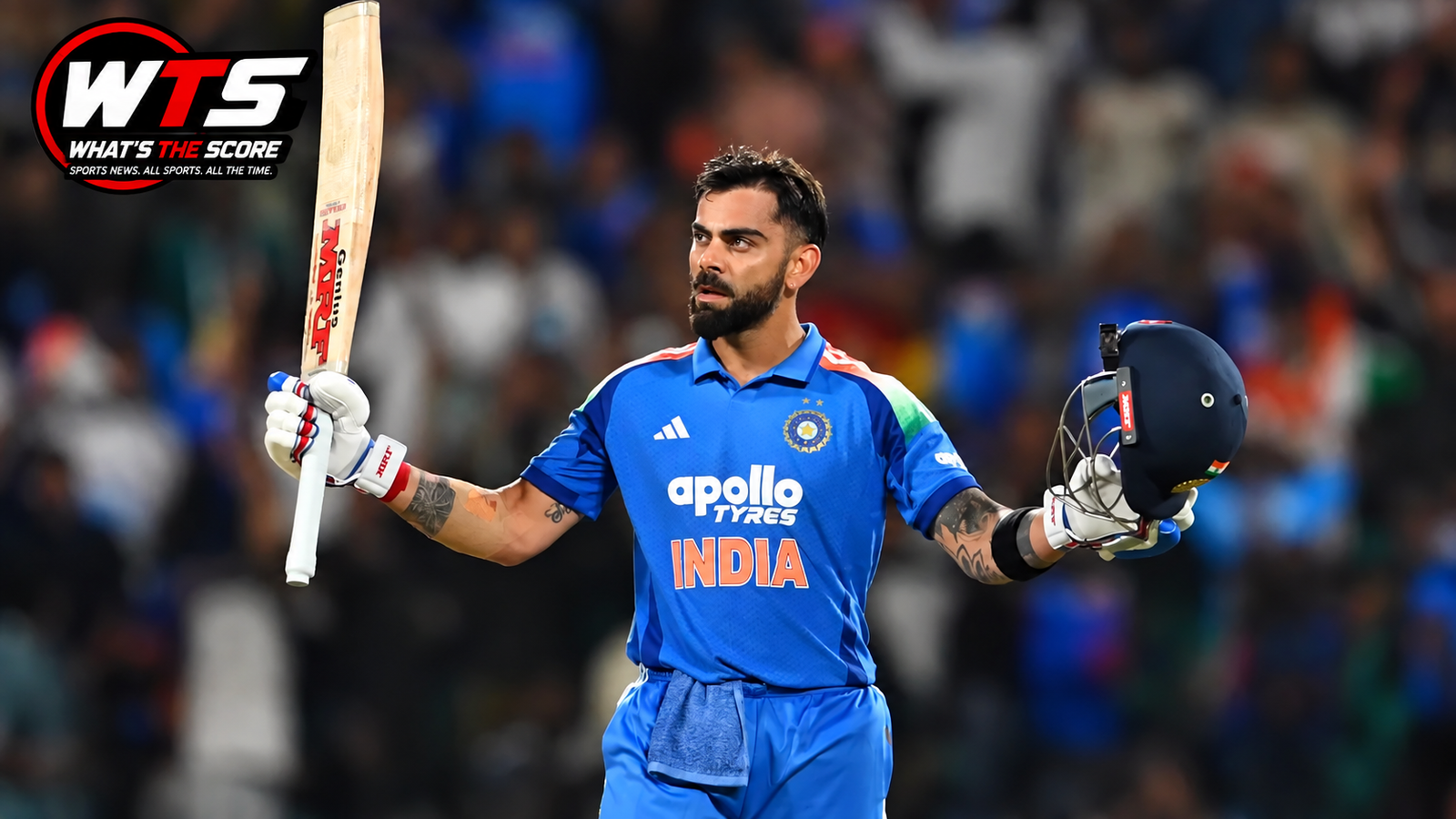
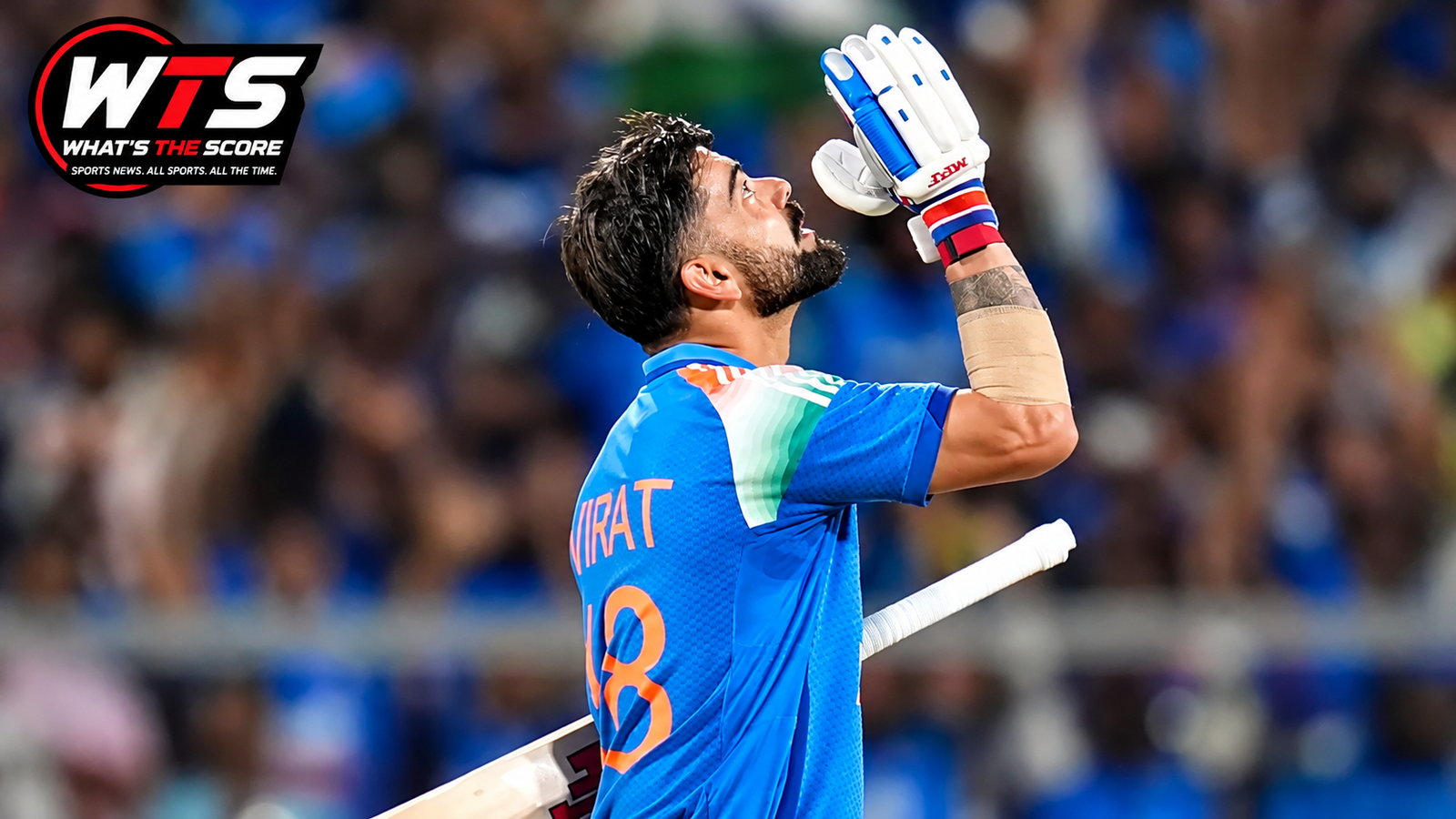
The presence of Rohit Sharma and Virat Kohli gives India enormous experience at the top of the order.
If both remain fit and in form, India's batting structure could begin with Rohit and captain Shubman Gill opening, followed by Kohli at No. 3, Shreyas Iyer at No. 4 and KL Rahul as the wicketkeeper-batter.
That would give India an experienced top five before Hardik and Axar provide power, flexibility and additional bowling options.
India Need Backup Plans for Every Key Position
One lesson India cannot ignore is the danger of reaching a World Cup without adequately prepared reserves.
The team management therefore has to provide meaningful ODI opportunities to backup openers, wicketkeepers, middle-order batters, all-rounders and fast bowlers rather than waiting for an injury during the tournament.
Hardik's latest injury illustrates exactly why that planning is necessary.
India Set for Extensive ODI Preparation
India are expected to have a busy ODI programme during the build-up to the World Cup, giving the management opportunities to test combinations and establish a core group.
The most significant preparation could come immediately before the tournament itself.
Plans are being developed for India to travel to South Africa well in advance and play a multi-match ODI series against the hosts at key World Cup venues.
That would allow India to experience South African pitches, bounce, weather and dimensions immediately before the global tournament rather than arriving with preparation dominated by Asian conditions.
Six-Match South Africa ODI Series Could Be Ideal Preparation
Reports indicate that India are expected to play South Africa in a six-match ODI series in the build-up to the World Cup, with venues including Johannesburg, Cape Town and Centurion.
For India's selectors, those matches could effectively serve as a final World Cup audition and allow the preferred XI to settle into its roles under conditions similar to those it will face during the tournament.
India Open World Cup Against Australia in Cape Town
The importance of preparing properly for South African conditions is underlined by India's opening assignment.
India are scheduled to begin their main World Cup campaign against defending champions Australia at Newlands in Cape Town on October 7, 2027.
There will therefore be little room for experimentation once the tournament begins.
Fitness Could Decide India's World Cup XI
On paper, India already possess the foundations of a formidable ODI team.
Rohit Sharma, Shubman Gill, Virat Kohli, Shreyas Iyer and KL Rahul provide an experienced batting core. Hardik Pandya and Axar Patel can supply balance, while Jasprit Bumrah, Mohammed Siraj, Harshit Rana and Kuldeep Yadav offer a varied bowling attack.
But the ideal combination depends heavily on availability.
Hardik's recurring fitness problems and the need to carefully manage Bumrah mean India cannot build their World Cup strategy around a best-case scenario alone.
The next year must therefore be about two things: establishing India's strongest XI for South African conditions and ensuring there is a genuinely prepared replacement for every irreplaceable-looking player.