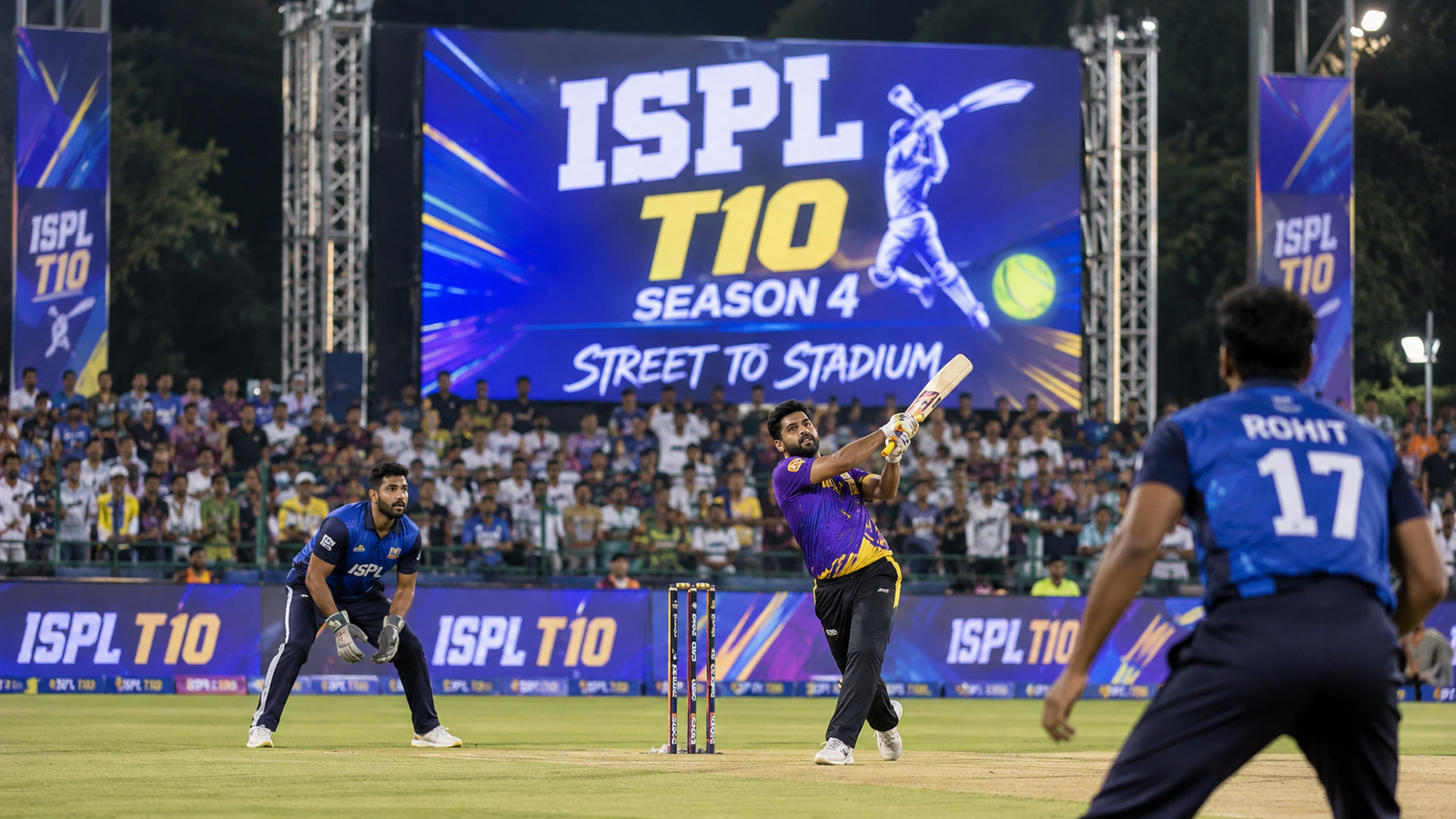
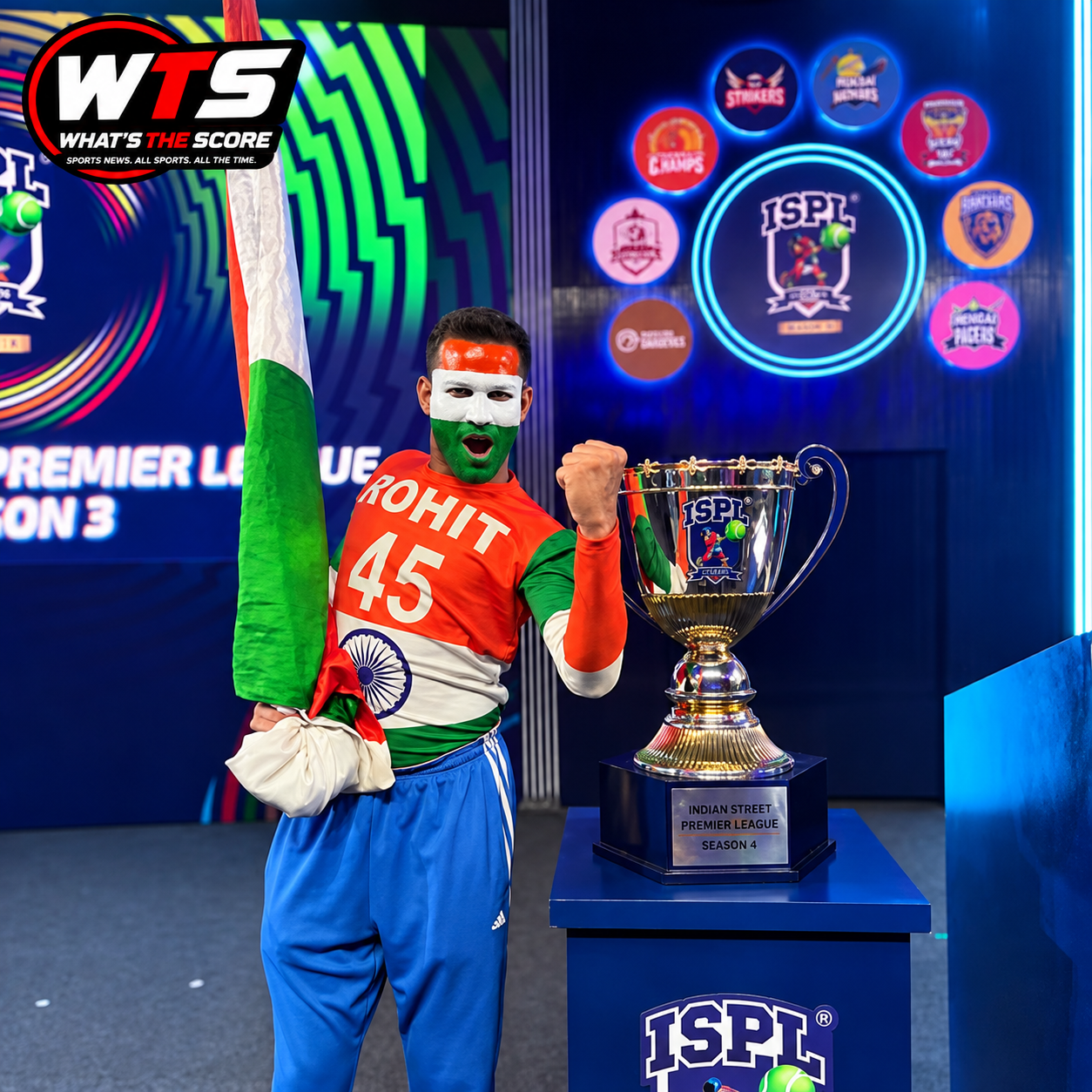
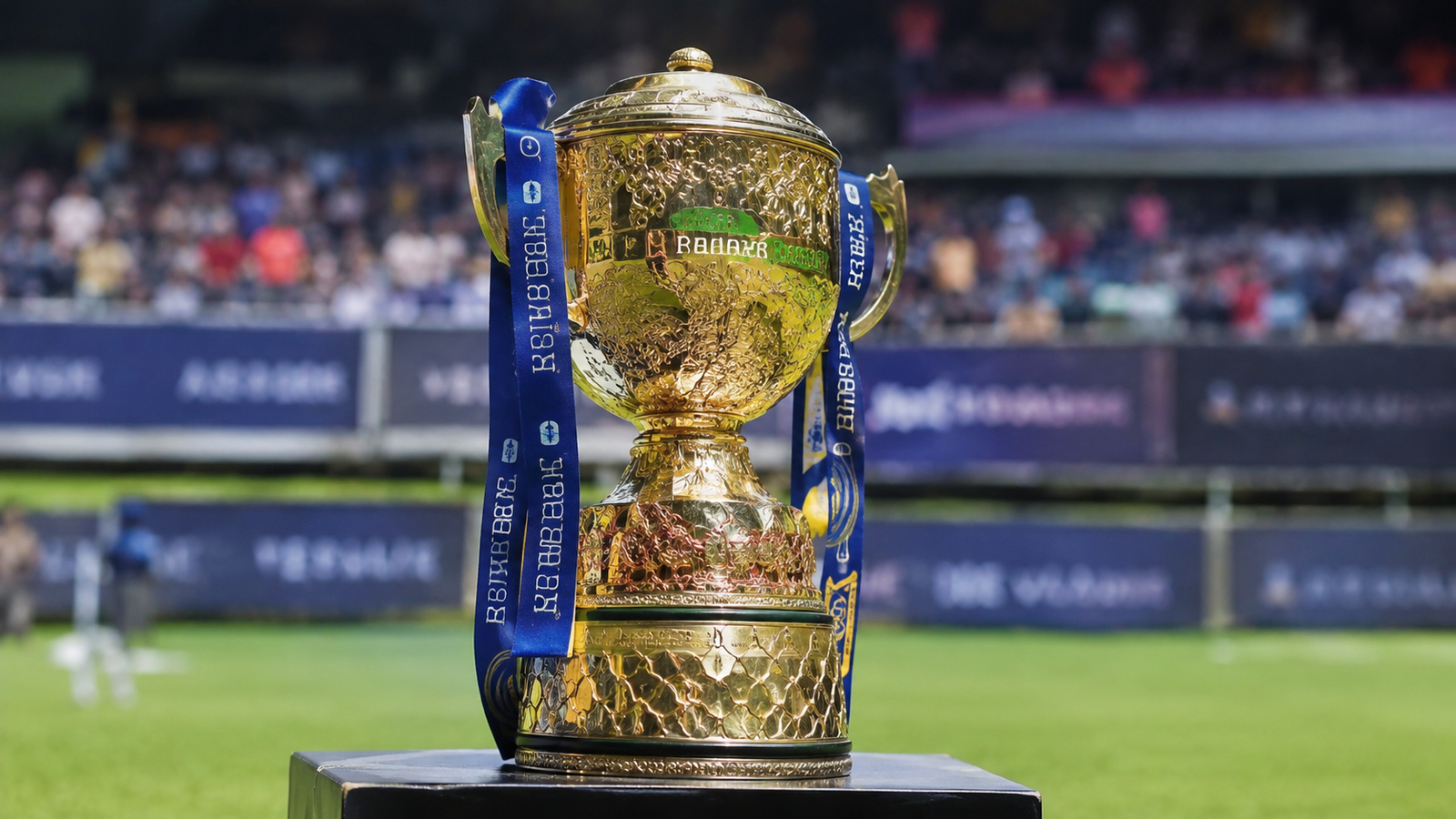
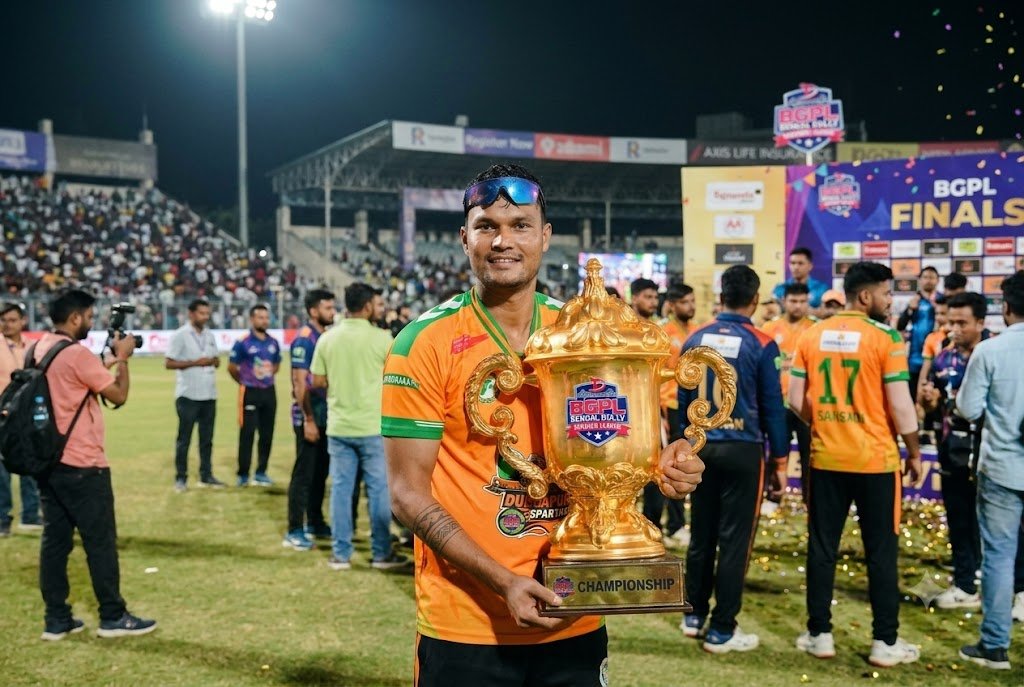
The Indian Street Premier League (ISPL) has continued to build a national platform for tennis-ball cricket, giving talented street cricketers an opportunity to showcase their skills. Season 3 brought eight franchises together, with 144 players selected through an auction featuring 408 cricketers from 101 cities.
With Chennai Singams crowned Season 3 champions, attention has now shifted towards the next edition. The ISPL Season 4 player-selection process has introduced a more structured, zone-based approach, and the current official auction-pool page lists 485 qualified players.
In this article, we look at all eight ISPL Season 3 teams, their complete squads, important auction purchases and the potential team-building strategies to watch ahead of Season 4.
ISPL Season 3: Tournament Overview
ISPL Season 3 was played from January 9 to February 6, 2026, at Lalbhai Contractor Stadium in Surat, Gujarat. The tournament featured eight franchises and 44 tennis-ball T10 matches.
- Tournament: Indian Street Premier League Season 3
- Season: 2025-26 / ISPL 2026
- Teams: 8
- Players selected: 144
- Players in auction pool: 408
- Cities represented in trials: 101
- Squad size: 18 players per team
- Format: Tennis-ball T10 cricket
- Venue: Lalbhai Contractor Stadium, Surat
- Champions: Chennai Singams
- Runners-up: Tiigers of Kolkata
ISPL Season 3: All Eight Teams and Complete Squads
Eight franchises competed in Season 3. Ahmedabad Lions and Delhi Superheros joined the expanded competition, taking the league to eight teams.
1. Ahmedabad Lions Squad
Squad: Jayvir Parmar, Ashiq Ali BS, Farman Khan, Dibakar Gayen, Birendra Ram, Zaid Khan, Nizam Ali, Asif Luhar, Firas Mohammed, Sanjay Kanojjiya, Avinash Rana, Sikandarbhai Bhatti, Prathamesh Thakare, Pradeep Patil, Amit Naik, Jignesh Patel, Majid Yousuf Sheikh and Amay Lad.
Team analysis: Ahmedabad's squad featured a mix of experienced tennis-ball performers and emerging players. Nizam Ali was one of the notable auction selections. The franchise's challenge was to build a reliable combination capable of adapting to the fast pace of T10 cricket.
2. Bengaluru Strikers Squad
Squad: Shahid Mir, Devid Gogoi, Dibyendu Paul, Amit Pandey, Rajendra Singh, Pradeep Mishra, Bhushan Gole, Imdad Pasha, Vijay Kumar, Fardeen Kazi, Omkar Bhadrike, Omkar Keni, Badi Rajesh Narayan, Sumeet Dhekale, Krushna Pawar, Imroz Khan, Mohit Rathod and Raviraj Gaikwad.
Team analysis: Bengaluru assembled a squad with several options across its batting and bowling departments. The team's success depended on how effectively it could use its resources in the short T10 format, where quick starts and disciplined death bowling are especially important.
3. Chennai Singams Squad
Squad: Aman Yadav, Ganesh Shillikyatar, Sunil Kumar, Krishna Satpute, Moyoddin Shaikh, Ankit Yadav, Sarfraz Khan, Mohammed Nadeem, Dheeraj Singh, Anurag Sarshar, Ashish Pal, Nagesh Wadekar, Sambhaji Patil, Ketan Mhatre, Rajesh Sorte, Ankur Singh, Aryan Kharkar and Jagannath Sarkar.
Team analysis: Chennai had a strong group of players, including experienced performers Ketan Mhatre and Jagannath Sarkar. Anurag Sarshar was another important auction selection. The combination delivered the ultimate result, with Chennai Singams going on to win the Season 3 championship.
4. Delhi Superheros Squad
Squad: Subhajit Jana, Dhiraj Bhoir, Shravan Mishra, Jayesh Patil, Aakash Jangid, Mohammad Salim Shahpur, Akash Tarekar, Tabraize Ahmad, Aakash Singh, Sahil Longale, Vishwajit Mhatre, Padmesh Mhatre, Prathamesh Pawar, Firoz Shaikh, Nitesh Mali, Vinayak Bhoir, Amey Patil and Nashant Kumar.
Team analysis: As one of the new franchises in the expanded competition, Delhi had the opportunity to build its identity with a fresh squad. Developing a settled playing combination and identifying dependable performers in pressure situations were important priorities.
5. Falcon Risers Hyderabad Squad
Squad: Varun Kumar, Vicky Pujari, Vishal Yadav, Pappu Todkar, Lokesh, Prashant Gharat, Sanskar Dhyani, Praveen Kumar, Pritpal Singh, Rutik Gajar, Nitin Anili Matunge, Yogesh Penkar, Vicky Bhoir, Shreyash Kadam, Vishwajit Thakur, Ashirwad Thakur, Akash Gautam and Mansoor KL.
Team analysis: Falcon Risers Hyderabad had a broad selection of players to work with. The franchise's prospects depended on finding the right balance between aggressive batting, versatile all-round options and bowlers who could execute plans under pressure.
6. Majhi Mumbai Squad
Squad: Abhishek Kumar Dalhor, Abhisekh Patel, Gajendra Goswami, Mohammad Zeeshan, Manish Waghmare, Mahendra Chandan, Raja Kusum, Jaydeep Bhondivale, Eshant Sharma, Ijaj Ahmad, Jignesh Rajput, Darshan Bandekar, Bunty Patel, Thomas Dias, Ajaz Bepari, Vijay Pawle, Kabir Singh and Vedant Desai.
Team analysis: Majhi Mumbai entered the season with the advantage of retaining Abhishek Kumar Dalhor, a standout performer from the previous edition. The franchise also secured Vijay Pawle for a reported auction price of ₹32.50 lakh, making him the headline purchase of the Season 3 auction. Mumbai's squad combined recognised performers with players who could contribute in different match situations.
7. Srinagar Ke Veer Squad
Squad: Mohd Razi, Arvind Kumar, Shahrukh Khan, Amol Nilugade, Dhananjay Bhintade, Sahish Mhatre, Minad Manjrekar, Aditya Vikram, Dilip Binjwa, Raju Mukhiya, Devendra Kale, Prajyot Ambhire, Harsh Adsul, Mangesh Vaity, Macmillan Govind, Harsh Bhoir, Aryan Naik and Rudra Patil.
Team analysis: Srinagar Ke Veer brought together players from different regions and age groups. The inclusion of young talent such as Rudra Patil offered the franchise an opportunity to develop players while building a competitive team for the short-format competition.
8. Tiigers of Kolkata Squad
Squad: Hritik Patil, Saroj Paramanik, Sagar Ali, Shivam Kumar, Arish Khan, Krushna Gawali, Vivek Mohanan, Firdos Alam, Prabjot Singh, Kiran Pawar, Mahesh Nangude, Vivek Shelar, Pavan Kene, Karan More, Rajat Mundhe, Himanshu Patil, Ankit Yadav and Bhavesh Pawar.
Team analysis: Tiigers of Kolkata had a squad featuring players such as Saroj Paramanik, Sagar Ali and Ankit Yadav. The franchise made a strong run to the final, finishing as Season 3 runners-up. Its performance showed the importance of building a settled unit that can deliver consistently through a T10 tournament.
ISPL Season 3 Auction: Important Buys and Retentions
The Season 3 auction took place in Mumbai on December 9, 2025. A total of 408 players from 101 cities entered the auction pool, with players representing six categories: Under-19, West, East, Central, South and North.
Each player entered the auction with a base price of ₹3 lakh. The franchises had an increased purse of ₹1.5 crore and were allowed to build squads of 18 players.
Important auction and retention details:
- Vijay Pawle: Reported top auction buy at ₹32.50 lakh for Majhi Mumbai.
- Ketan Mhatre: Retained by Chennai Singams through the Right to Match option for a reported ₹26.40 lakh.
- Abhishek Kumar Dalhor: Retained by Majhi Mumbai for ₹26.65 lakh.
- Jagannath Sarkar: Retained by Chennai Singams for ₹20.02 lakh.
- Ankit Yadav: One of the notable Under-19 purchases, joining Tiigers of Kolkata for a reported ₹6.50 lakh.
The auction demonstrated the growing value of experienced tennis-ball cricketers as well as the importance of identifying young players who can develop into match-winners.
ISPL Season 4 Auction: What Has Changed?
Season 4 is expected to take the ISPL talent-identification process towards a more structured national system. The league's selection framework focuses on affiliated tournaments, zonal participation and performance-based evaluation.
The current official ISPL Season 4 auction-pool page lists 485 qualified players. This is an updated pool figure and should not be confused with the earlier target of 450 players mentioned in the initial selection framework.
The official simulation-batches platform also displays player groups across eight zones, including East (Kolkata), West (Mumbai), North (Jammu), North West (Ahmedabad), Central North (Delhi), South East (Chennai), South Central (Hyderabad) and South West (Bengaluru).
Season 4 Player Selection: Key Details
- Selection approach: Affiliated tournaments and zonal-level evaluation.
- Performance assessment: Points-based grading framework.
- Simulation process: Shortlisted players are assessed through simulation matches.
- Current qualified auction-pool listing: 485 players.
- Zones: Eight regional zones.
- Next major step: Franchise auction and final squad formation.
Players should follow the official ISPL platform for updates on eligibility, auction dates, final player lists and franchise announcements. The current qualified-player pool does not, by itself, confirm the final auction purchases or Season 4 squads.
ISPL Season 4: Eight Franchises and Team-by-Team Auction Analysis
The eight established franchises from Season 3 provide a useful starting point for analysing the likely team-building priorities for the next auction. The following is an editorial assessment based on their previous squads and the demands of tennis-ball T10 cricket. It is not a confirmed list of Season 4 retentions or auction targets.
1. Majhi Mumbai – Can the Champions' Core Stay Strong?
Majhi Mumbai will be looking to maintain a competitive core while identifying fresh talent from the Season 4 pool. The experience of players such as Abhishek Kumar Dalhor and Vijay Pawle made the previous squad particularly interesting. The franchise's priority should be to retain its match-winning options where permitted and add depth in bowling and all-round roles.
2. Srinagar Ke Veer – Build Around Emerging Talent
Srinagar Ke Veer can focus on developing young players while adding experienced performers who can handle pressure. A balanced combination of top-order hitters, flexible middle-order batters and reliable bowlers would help the franchise improve its consistency.
3. Ahmedabad Lions – Find a Consistent Match-Winning Combination
Ahmedabad's auction strategy should focus on players who can contribute in more than one department. In T10 cricket, a squad with versatile all-rounders and bowlers who can control the final overs can provide a significant advantage.
4. Tiigers of Kolkata – Strengthen the Finalists' Core
After finishing as Season 3 runners-up, Tiigers of Kolkata will be keen to build on their previous campaign. Saroj Paramanik and Sagar Ali were among the names in the previous squad. The franchise should aim to preserve its successful combinations, where possible, while adding depth and flexibility.
5. Chennai Singams – Defending Champions Face a New Challenge
Chennai Singams enter the next squad-building cycle as Season 3 champions. The franchise's challenge will be to maintain the winning culture while refreshing the squad with emerging talent. A strong batting core, multiple bowling options and adaptable all-rounders will be important for another title challenge.
6. Delhi Superheros – Build a Strong Franchise Identity
Delhi can use the next auction to develop a settled combination. The franchise should prioritise players with consistent performances in zonal and affiliated competitions rather than relying only on reputation. A dependable opening pair and wicket-taking bowling options could be key areas.
7. Falcon Risers Hyderabad – Focus on All-Round Balance
Falcon Risers Hyderabad should look for players who can adapt to different match situations. A T10 team needs batters who can score quickly, bowlers with variations and all-rounders who can provide tactical flexibility.
8. Bengaluru Strikers – Add Depth and Finishing Power
Bengaluru Strikers can look to strengthen their finishing options and improve bowling depth. The franchise should identify players who can change the momentum in a short period, particularly in the final overs of an innings.
Why the Season 4 Auction Could Be Different
The biggest development is the emphasis on a structured grassroots pathway. Rather than depending solely on open trials, the Season 4 framework connects players with affiliated competitions and zonal panels.
This could make recruitment more competitive and provide franchises with a wider range of players whose performances can be assessed through organised matches and simulations.
The current qualified pool of 485 players also gives franchises a substantial group to evaluate. However, the final impact will depend on the confirmed auction rules, retention policy, available purse, squad limits and final auction list.
Players and Talent to Watch Ahead of Season 4
Season 3 established several recognisable names, including Vijay Pawle, Abhishek Kumar Dalhor, Ketan Mhatre, Jagannath Sarkar, Saroj Paramanik and Sagar Ali.
For Season 4, the official qualified-player list and simulation platform are important resources for tracking emerging talent. The East Zone, which includes Kolkata and players from West Bengal, is particularly relevant for fans following the league's regional pathway.
One name from West Bengal appearing in the current qualified pool is Saroj Paramanik of Durgapur. His inclusion is an interesting regional storyline, although the qualified-pool listing should not be treated as confirmation of a franchise contract or final Season 4 squad.
Conclusion: ISPL Moves Towards a More Structured Season 4
ISPL Season 3 showcased the growing reach of tennis-ball cricket, with eight teams, 144 contracted players and participation from 101 cities. Chennai Singams emerged as champions after defeating Tiigers of Kolkata in the final.
Season 4 now brings a stronger focus on zonal development, affiliated tournaments and performance-based selection. With 485 qualified players listed on the current official auction-pool platform, franchises have a significant talent group to assess.
The next major talking points will be the final auction date, retention rules, franchise purchases and confirmed team squads. Until those details are officially released, the team-by-team discussion above should be treated as strategic analysis rather than confirmed auction news.
Stay connected with What's The Score for ISPL Season 4 auction updates, player news, team analysis and complete squad lists.