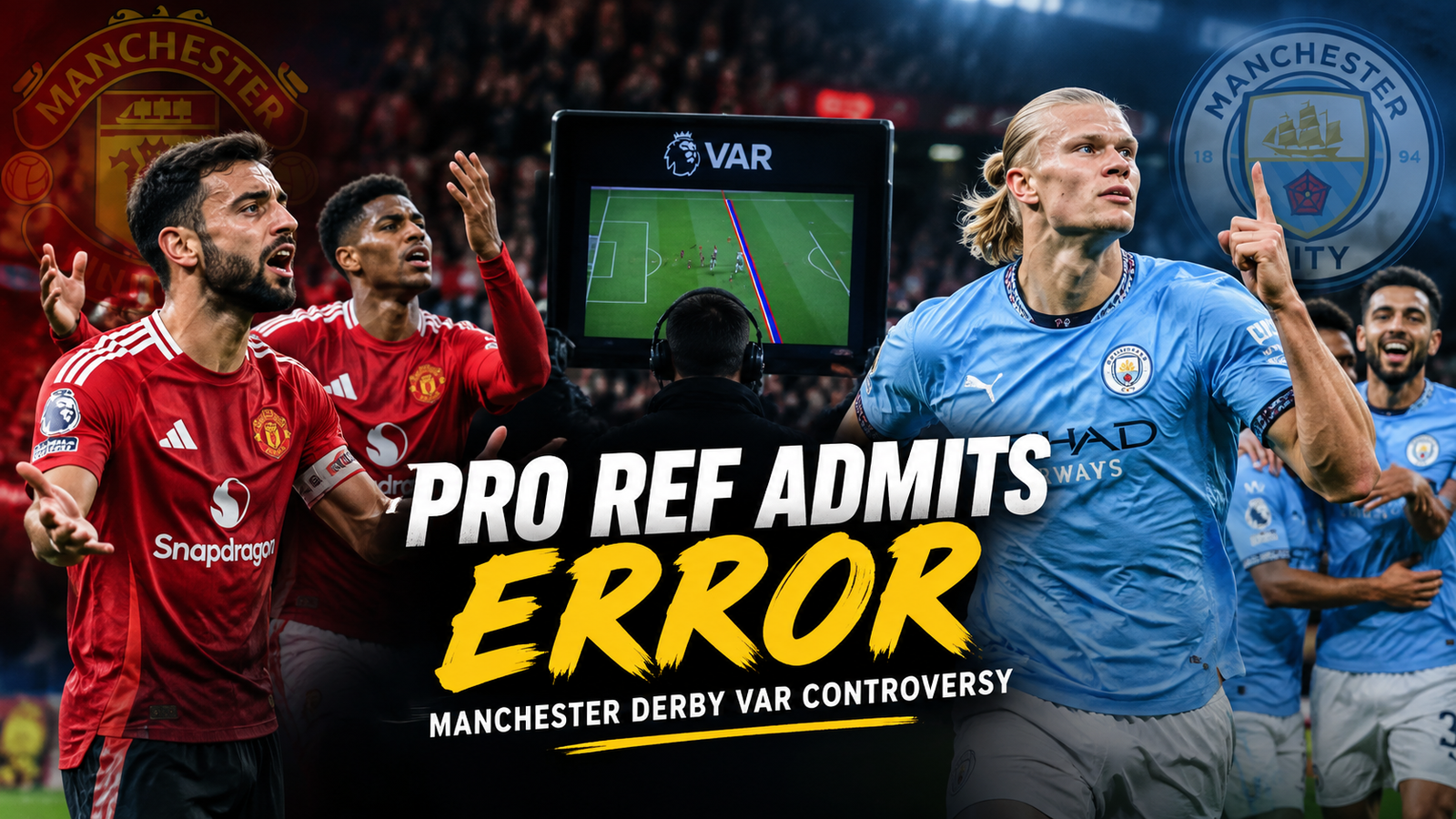
The Manchester Derby has never needed extra drama. But this time, VAR managed to add plenty of it.
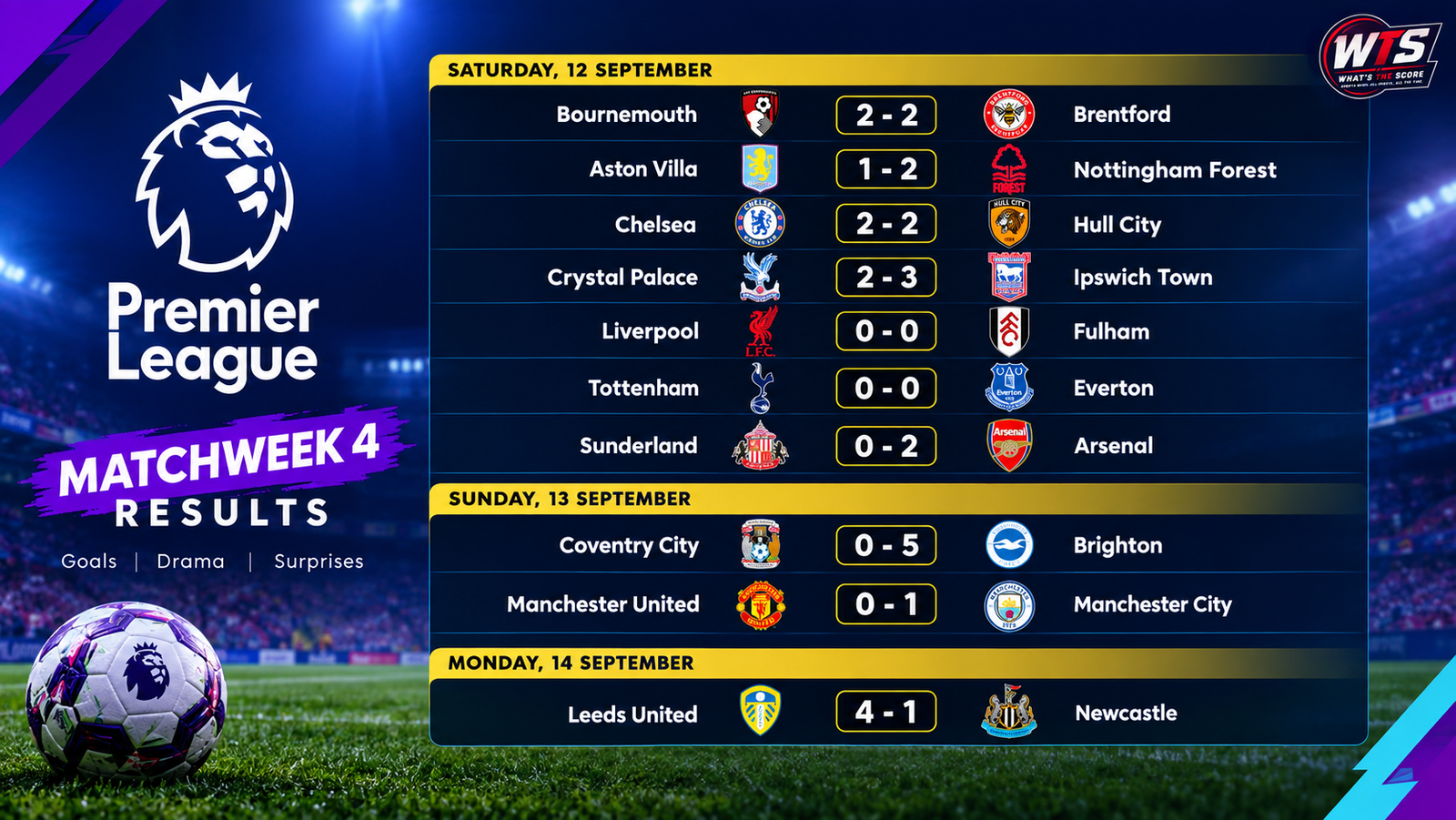
Manchester City’s 1-0 victory over Manchester United at Old Trafford was decided by Erling Haaland’s 60th-minute goal — and the controversy surrounding that goal has continued well after the final whistle.
The goal was initially ruled offside. However, after a VAR review, it was allowed to stand. The key issue centred around Enzo Fernández, who was in an offside position and appeared to make an attempt to play the ball before it reached Haaland.
VAR concluded that Fernández had not actually played the ball and therefore did not commit an offside offence. Haaland’s goal stood, City won the derby and United were left furious.
But then came the twist.
Pro Ref admits it got the call wrong
Professional Game Referees Limited — commonly known as Pro Ref — has now admitted that the decision was an “error of judgement.”
According to the refereeing body, VAR correctly established that Haaland was in an onside position. However, it acknowledged that the VAR official failed to recognise the likely impact of Fernández’s position and should have recommended an on-field review.
In simple terms: the decision should have been looked at again.
That admission is significant because this was not just another controversial refereeing call. It directly influenced a Manchester Derby and ultimately the result.
Why was Fernández so important?
The debate is not simply about whether Fernández touched the ball.
The bigger question is whether his movement towards the ball affected the defenders enough to be considered interfering with play.
Lisandro Martínez reacted to Fernández’s movement, while Haaland was waiting to exploit the situation. That is precisely why Manchester United manager Michael Carrick was so frustrated.
Carrick questioned how a player making such a clear attempt to reach the ball could be considered irrelevant to the play.
And after Pro Ref’s admission, United's frustration suddenly looks a lot more understandable.
VAR gets another reality check
VAR was introduced to reduce major mistakes. But moments like this show that technology can only go as far as the interpretation of the rules.
The cameras can provide more angles. The lines can be drawn more precisely. But ultimately, humans still have to decide what those images mean.
Pro Ref admitting the mistake is welcome. Accountability matters.
But for Manchester United, there is an obvious problem — the apology does not change the scoreline.
City have the three points. United have another derby defeat. And the debate over VAR continues.
Perhaps the biggest lesson from this Manchester Derby is simple: technology can correct mistakes, but only if the people using it recognise the mistake in time.