Don Bradman’s Final Test Innings: The Famous Duck That Left Him at 99.94
AGArpan Ghosh
· 4 min read
· 90 views
Updated
Share
On This Day | August 14, 1948
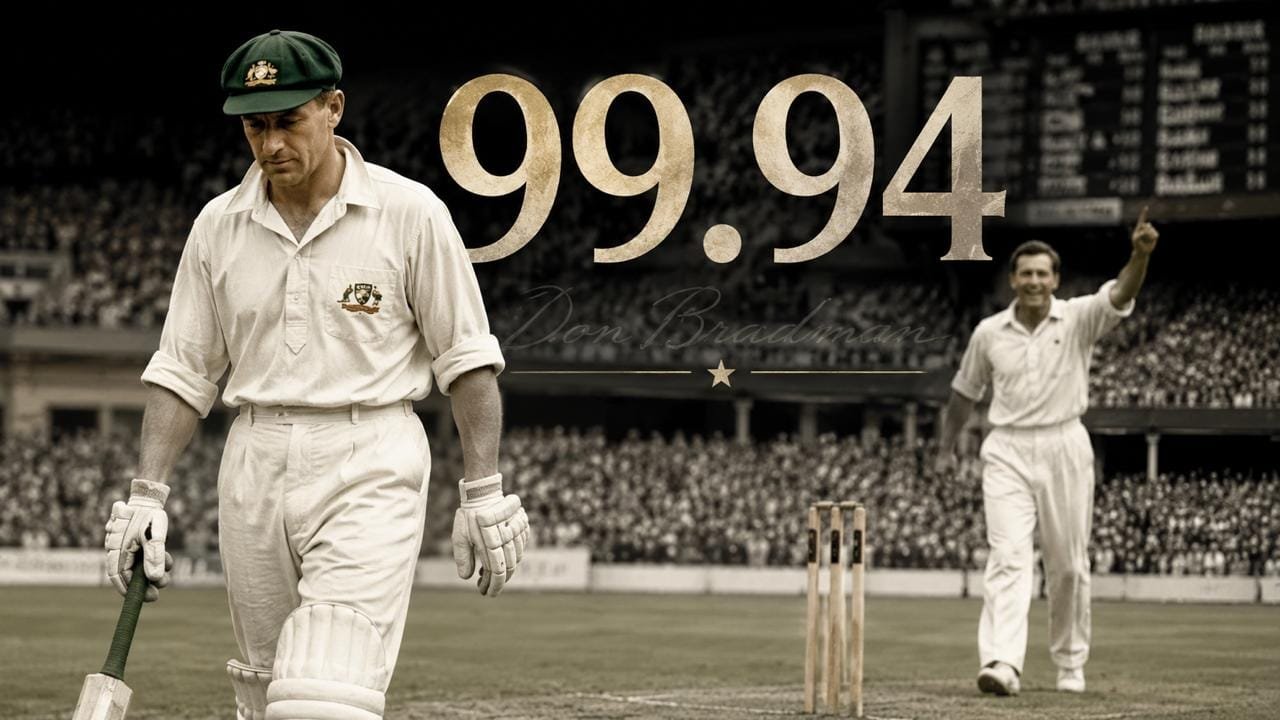
Few moments in cricket history are as iconic—or as ironic—as Don Bradman’s final Test innings. On August 14, 1948, Australia’s legendary captain walked out at The Oval in London for what would become his last appearance in Test cricket.
He needed just four runs to finish his career with a Test batting average of exactly 100. Instead, England leg-spinner Eric Hollies bowled him for a second-ball duck.
Bradman’s Test average was frozen forever at 99.94.
The Day Bradman Came Within Four Runs of 100
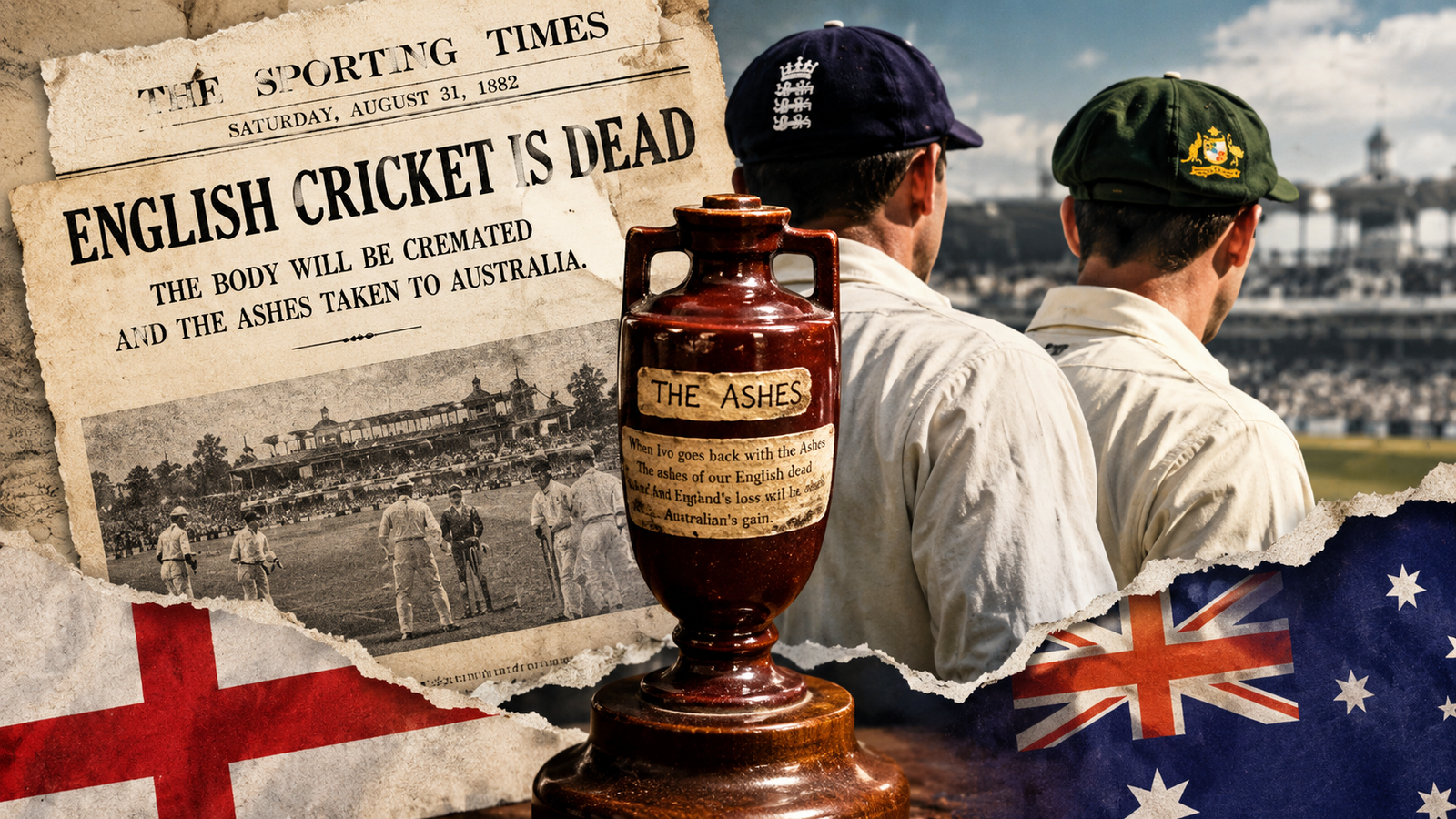
The occasion was the fifth and final Ashes Test between England and Australia at The Oval. Australia had already secured the series, leading 3-0, while Bradman had announced that the 1948 tour would mark the end of his international career.
England were dismissed for just 52 in their first innings, with Australian fast bowler Ray Lindwall taking 6/20. Australia then began their reply strongly. When opener Sid Barnes was dismissed for 61, Bradman walked to the crease with Australia at 117/2.
The atmosphere was extraordinary.
The packed Oval crowd gave Bradman a standing ovation. England captain Norman Yardley and his players also paid tribute to the Australian captain, with the England side giving him three cheers before he took guard.
At that moment, Bradman had scored 6,996 Test runs and needed only four more to reach the remarkable statistical milestone of a career average of 100.
Eric Hollies Delivers One of Cricket’s Most Famous Balls
Bradman faced Warwickshire leg-spinner Eric Hollies.
He survived the first delivery.
Then came the second.
Hollies deceived Bradman with a googly, the ball turning through the gap between bat and pad to hit the stumps. Bradman was bowled for zero.
The dismissal stunned the crowd and created one of the most enduring pieces of cricket folklore.
Bradman had needed four runs for a perfect Test average of 100. Instead, his final innings ended without him scoring a single run.
Why Bradman Finished With 99.94
The famous number 99.94 was not simply a rounded figure. It was the result of Bradman finishing his Test career with:
52 Test matches
6,996 Test runs
29 Test centuries
80 Test innings
99.94 batting average
The International Cricket Council records Bradman’s career average as 99.94 and notes that he needed just four runs in his final innings to reach an average of 100.
Because Australia won the Test by an innings and 149 runs, Bradman never had another opportunity to bat. Australia completed a 4-0 Ashes series victory, and Bradman’s Test career was over.
The Cruel Mathematics of Cricket
Bradman’s final duck became one of sport's most famous statistical twists.
Had he scored just four runs in that final innings, he would have retired with an average of exactly 100.
Instead, one delivery changed the final number forever.
Yet the irony only makes Bradman’s achievement more remarkable. A career average of 99.94 remains one of the most extraordinary records in international sport, and the ICC describes his Test career as spanning nearly 20 years.
A Duck That Became Part of Bradman’s Legacy
Bradman’s dismissal has sometimes been surrounded by the story that emotion or tears affected his vision as he faced Hollies. However, Bradman himself rejected that explanation, insisting that such a suggestion diminished Hollies’ bowling achievement.
The more enduring truth is simpler: one of cricket's greatest batsmen was beaten by an outstanding delivery from a quality leg-spinner at the exact moment when history was watching.
That is what makes the episode so compelling.
Bradman did not finish with 100.
He finished with *99.94*—a number that has become synonymous with cricketing excellence.
78 Years Later, 99.94 Still Defines The Don
On August 14, 2026, exactly 78 years after that famous afternoon at The Oval, Bradman's final innings remains one of cricket's most recognizable moments.
His career was not defined by the duck. It was defined by the extraordinary body of work that came before it: 6,996 Test runs, 29 centuries and an average of 99.94 across 52 Tests.
The final duck simply provided the unforgettable ending to an almost unbelievable story.
Don Bradman needed four runs to reach 100. Eric Hollies needed two balls to ensure cricket would remember 99.94 forever.
Was this article helpful?
Your answer helps the desk improve future coverage.
What could be better? Optional
0 / 1000
Sources
International Cricket Council (ICC) — Don Bradman Hall of Fame profile and career statistics.
BBC Sport — History of The Oval and Bradman’s final Test innings.
ABC News Australia — Detailed account of Bradman’s final-innings dismissal and the atmosphere at The Oval.
ESPNcricinfo — Historical account of Bradman’s famous final duck.
Bradman Museum archival footage — Final innings footage and historical context.
Frequently asked questions
What happened to Don Bradman on August 14, 1948?
Bradman played his final Test innings for Australia against England at The Oval. He was bowled for a duck by Eric Hollies.
Why is Don Bradman’s average 99.94?
Bradman needed four runs in his final innings to reach an average of 100 but was dismissed without scoring. Australia won the match by an innings, so he never batted again.
Who bowled Don Bradman in his final Test innings?
England leg-spinner Eric Hollies dismissed Bradman with a googly on the second ball he faced.
How many Test runs did Don Bradman score?
Bradman scored 6,996 runs in 52 Tests, including 29 centuries, at an average of 99.94.
Did Bradman finish his career with a Test average of 100?
No. He finished with 99.94. Four runs in his final innings would have taken his average to exactly 100.
Arpan GhoshSenior Cricket Analyst, Historian & Former Cricketer
A cricket enthusiast with 12+ years of experience covering Test cricket, domestic cricket, IPL at home and abroad. Previously played cricket and covered with a strong focus on selection decisions, team strategy, player development, and the stories behind the scorecard.
Covers Test cricket, IPL, Domestic Cricket, Indian National Team, ISL, FIFA, ICC